The Last Dispatch of Next TV and the Shifting Landscape of Media and Technology Journalism


The final edition of the long-running Next Text column marks a symbolic conclusion for Next TV, a publication that has chronicled the rapid evolution of the media, technology, and telecommunications (TMT) sectors for over a decade. As the outlet transitions into a curated newsletter format, the departure of columnists Daniel Frankel and David Bloom underscores a broader structural shift within digital journalism. This transition coincides with a period of significant upheaval in the television industry, characterized by the potential consolidation of satellite giants, the plateauing of the streaming economy, and the aggressive integration of artificial intelligence in editorial operations.
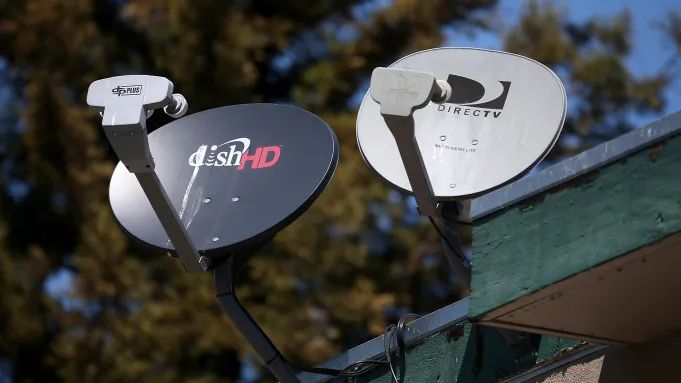
The Looming Consolidation of Satellite Television
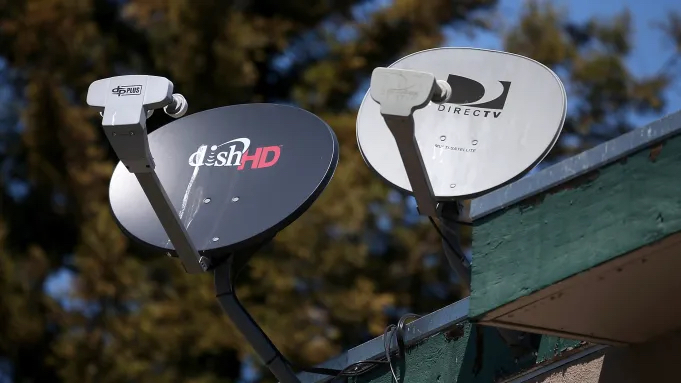
The telecommunications sector is currently navigating the potential merger of DirecTV and Dish Network, a transaction that has been discussed by industry analysts for years but has faced consistent regulatory headwinds. With DirecTV holding approximately 11 million subscribers and Dish Network accounting for roughly 8 million, a successful merger would create a dominant force in the linear pay-TV market.
Industry veteran John Malone, whose influence spans TCI, DirecTV, Warner Bros. Discovery, and Charter Communications, has recently characterized the modern streaming model as a "terrible business." Malone’s critique centers on the rigid, legacy decisions that prevent media conglomerates from creating the fluid, hybrid, on-demand, and linear packages that consumers now demand. The economic pressure of high-stakes sports rights, coupled with evolving net neutrality regulations, has left traditional media companies in a precarious position. Analysts at MoffettNathanson suggest that international markets may provide the only viable testing ground for these hybrid models, as domestic U.S. providers struggle with the prohibitive capital expenditures required to maintain satellite infrastructure in an era dominated by high-speed broadband and low-earth orbit technology.
The Rise of High-End Streaming Hardware
The hardware landscape is concurrently undergoing a significant pivot. The recent introduction of the Google TV Streamer and the updated Roku Ultra indicates a strategic move toward the high-end market, a segment previously dominated by the Apple TV. This shift reflects a growing consumer demand for more processing power and integrated smart-home capabilities.
Data from the streaming sector indicates that device limitations are becoming a bottleneck for innovation. Feature-rich applications, such as Fubo’s multiview beta—which allows users to watch four streams simultaneously—require substantial processing overhead that mid-tier or budget streaming dongles cannot support. Consequently, industry leaders like Synamedia are exploring cloud-based processing solutions to bypass local hardware constraints. The transition toward $100-plus premium devices suggests that manufacturers are betting on consumers’ willingness to pay for a more responsive, feature-dense interface that can handle complex, data-heavy applications.

Audience Engagement and the Economics of Advertising
As the industry matures, the challenge of maintaining viewer retention remains paramount. A recent study by Wurl highlights that while connected TV (CTV) viewing remains at near-record highs comparable to the COVID-19 lockdown era, ad tolerance is thinning. The study indicates that for every additional minute of advertising in a standard break, platforms risk losing approximately 4% of their total audience. This "ad-load" sensitivity is forcing service providers to balance the necessity of advertising revenue against the risk of viewer churn. The consensus among industry strategists is that lighter, more targeted ad loads are essential to preserving the value of the platform in an increasingly crowded competitive environment.
The Role of Artificial Intelligence in Editorial Futures
The industry is also grappling with the ethical and operational integration of artificial intelligence. The London-based Evening Standard recently announced a shift to weekly print publication alongside a reduction in force, while simultaneously exploring the use of AI to replicate the voice of the late, renowned art critic Brian Sewell. This move highlights a trend in which media outlets are increasingly turning to generative AI to maintain legacy brand voices despite deep cost-cutting measures.

This trend toward automation stands in stark contrast to the traditional model of specialized, human-led journalism. As editorial departments face pressure to maximize output with reduced human capital, the disparity between the value of high-quality, long-form reporting and the "gig-economy" style of content production—often compensated at rates as low as $10 per post—is widening. For veteran journalists like Daniel Frankel, the current environment presents a challenging dichotomy: the promise of digital accessibility versus the reality of declining economic security for the creative class.
Broader Implications for the TMT Sector
The evolution of media reporting mirrors the volatility of the industries it covers. The consolidation of major satellite providers, the search for sustainable streaming profitability, and the rapid deployment of AI-driven content generation are all symptoms of a sector in transition. The departure of traditional columns like Next Text serves as a bellwether for the wider media landscape, where institutional knowledge is increasingly being traded for algorithmic efficiency and leaner operational structures.

As regulatory bodies weigh the implications of a DirecTV-Dish merger, they must consider not only the impact on consumer choice and pricing but also the long-term viability of infrastructure maintenance in an era where traditional pay-TV is losing its dominance. The potential requirement for the merged entity to offer wholesale access to third-party providers could represent a middle-ground solution, ensuring that market competition remains intact while allowing the new entity to recoup the massive capital expenditures associated with satellite technology.
In the final analysis, the shifting tides of the TMT industry demand a new approach to both production and consumption. Whether it is through the deployment of more powerful streaming devices, the careful recalibration of ad-loads to prevent viewer fatigue, or the controversial adoption of AI-generated editorial content, the industry is searching for a path that balances profitability with the nuanced demands of a fragmented global audience. As the legacy of publications like Next TV transitions into new formats, the core mission of understanding these complex, intersecting forces remains more critical than ever. The future of the media business will likely be defined by those who can successfully navigate the intersection of high-end hardware, sustainable monetization, and the preservation of human-centric editorial integrity.